The Workbench
Hobby Box vs. Blaster Box: Choose Your Next Rip
A practical guide to hobby boxes, blaster boxes, pack configurations, guarantees, and the release details collectors should compare before buying.
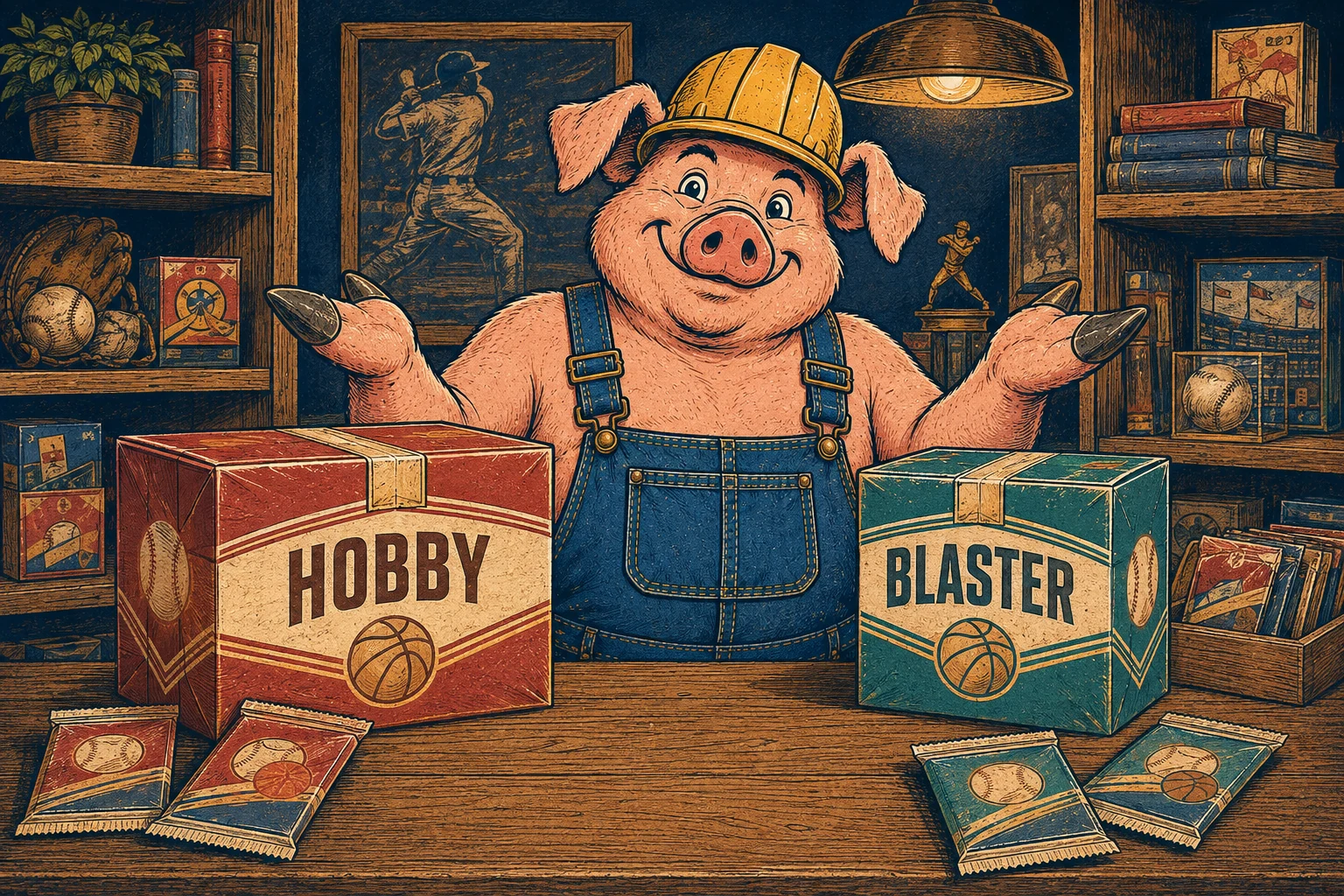
A big Saturday rip, a few packs after work, a hunt for a favorite team's color match: different collecting plans call for different boxes. Hobby boxes and blasters are two ways into the same release, but they can have different pack counts, checklist sections and exclusive cards.
The useful question is not which label is automatically better. It is which configuration gives you the cards and opening experience you actually want. Start with the player, team, design, parallel or insert that caught your eye, then read the exact box details for that release.
Start with the cards you want to pull
Box labels describe a configuration, not a verdict on what belongs in a collection. A hobby box can make sense because a hobby-only parallel fits the cards you enjoy, while a blaster can be the better choice because its retail color is the version you want to keep in a team or player run.
That distinction keeps the decision grounded. If the goal is a favorite rookie, an autograph family, a particular finish or a small run of team cards, check that those cards appear in the format you are considering. A large opening is satisfying when you want the time at the table and the variety of cards it brings. A compact opening can be just as satisfying when you want a fresh look at a release without making the box itself the whole occasion.
The exact year matters. A familiar product name can return with a different configuration, so use the product description and checklist for the sealed year, sport and format in front of you. Do not assume that a prior release's packs, colors or stated contents carry over.
What a hobby box can offer
A hobby box is a sealed configuration intended primarily for hobby shops and specialist card sellers. Depending on the release, it may offer more packs, hobby-exclusive parallels, a different insert mix, or stated autograph and memorabilia content.
Those details can make hobby the right home for a longer rip or a specific chase. More packs are not the whole story: the attraction may be a color that appears only in hobby, an insert set with a design you like, or the chance to pull from an autograph or memorabilia section described for that box. Read the product description closely enough to know which of those reasons actually applies.
Hobby is especially easy to overgeneralize. One product may emphasize stated autograph or memorabilia content, while another may make its hobby case through a different parallel mix or a larger opening. Treat the format as a set of release-specific choices. The box earns its place when its checklist and configuration match the part of the product you want to explore.
What a blaster box can offer
A blaster is a smaller retail configuration commonly sold by large retailers and card sellers. It usually has fewer packs or cards than a hobby box and a lower entry price, making it a practical way to sample a release or enjoy a short opening.
Retail-exclusive colors and inserts give blasters their own collecting appeal. A collector building a parallel run may prefer a retail-exclusive version regardless of what the hobby box contains. That is a collection choice, not a consolation prize. The appeal can be as straightforward as liking the color, wanting another card of a favorite player, or enjoying a design that only appears in the retail checklist.
A blaster also gives a collector a defined, smaller rip. It can be a good fit when the point is to see the cards in hand, open a few packs with a friend, or decide which pieces of a release are worth pursuing further. Keep the aim modest and specific: choose the blaster because its contents interest you, not because it is assumed to mirror a different format's stated contents.
Compare the exact configurations
Put the manufacturer descriptions side by side and check the details that change the cards you can pull:
| Detail | Why it matters |
|---|---|
| Packs per box and cards per pack | Shows the size of the opening |
| Stated autograph or memorabilia content | Identifies which card types the configuration states |
| Hobby or retail exclusives | Shows the colors and inserts available in each format |
| Checklist sections | Confirms whether your target player or card belongs in that box |
| Per-box wording and case averages | Separates an individual-box statement from a broader average |
| Full price, including applicable shipping and tax | Lets you compare the complete purchase cost |
Read the checklist with your own collection in mind. Two boxes with similar card counts can create very different openings if one has a larger base checklist, a favorite insert design, or a particular autograph family that matters to you. Likewise, a lower card count does not make a configuration uninteresting if its exclusive cards are the ones you want.
The seller's listing should match the product description. Confirm the sealed year, sport and format before buying, particularly when product names repeat across seasons. That simple check helps make sure the packs on the way are the packs you chose.
Read stated contents with care
The wording on a box description matters. "One autograph per box" is a statement about box content; "look for autographs" describes a possible pull. Keep those phrases separate when you compare formats.
Also look for language such as "on average" and for statements that apply to a full case rather than an individual box. A case average is useful context for understanding a product's structure, but it is not the same as a promise for every single box. That difference is worth knowing before a particular autograph, memorabilia card or parallel becomes the reason you chose a format.
This is not about draining the fun from a rip. It is about choosing with clear expectations. A box can still be the right one because you enjoy its base design, its team cards or the chance to find an exclusive color. The stated configuration tells you what the product is designed to offer; the cards that end up in one opening remain part of the experience.
Choose the opening that fits the occasion
Choose hobby when its exclusive checklist, stated autograph or memorabilia contents, or larger opening are the things you want from the release. Choose a blaster when you want a shorter, lower-cost opening, are trying a new release, or specifically collect its retail parallels.
Before opening, set aside sleeves and suitable holders for the cards you hope to keep. Then let the checklist guide the experience: enjoy the base cards, sort the inserts, and pull aside the team, player and parallel cards that add to your collection. The best box is the one that leaves you glad you chose those packs, not the one with the most ambitious label.
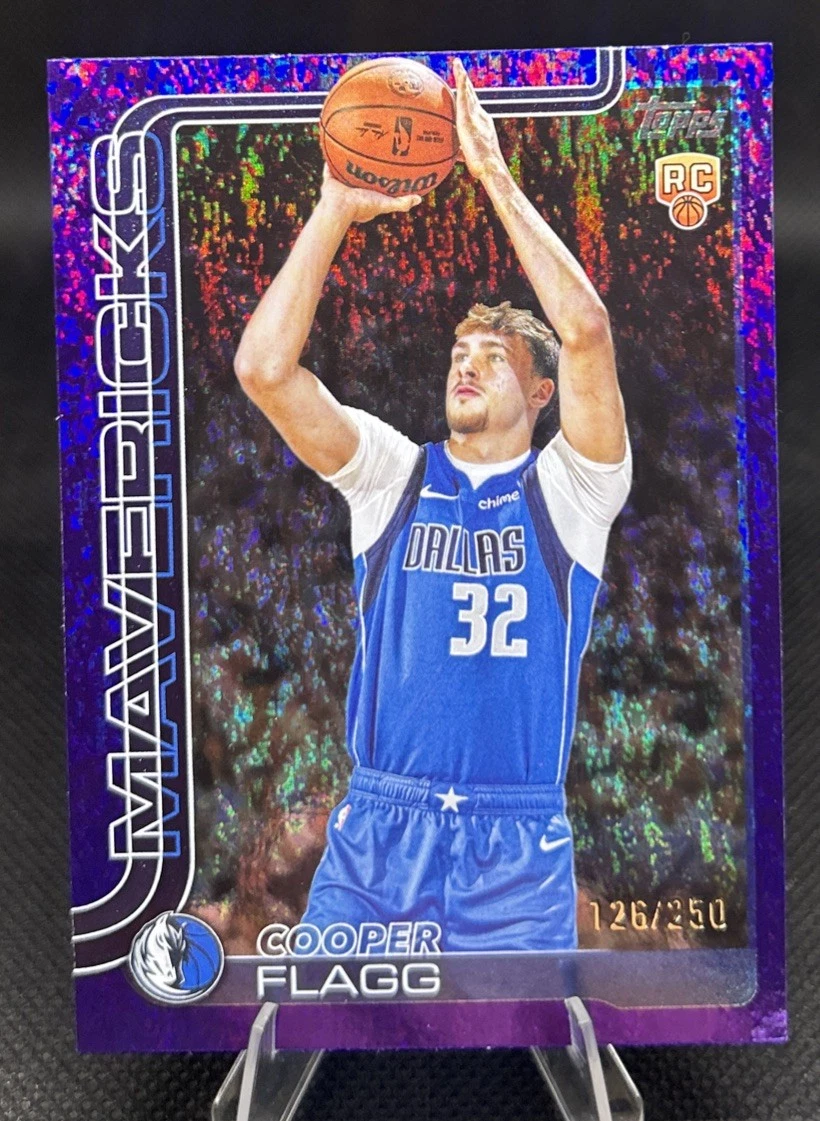
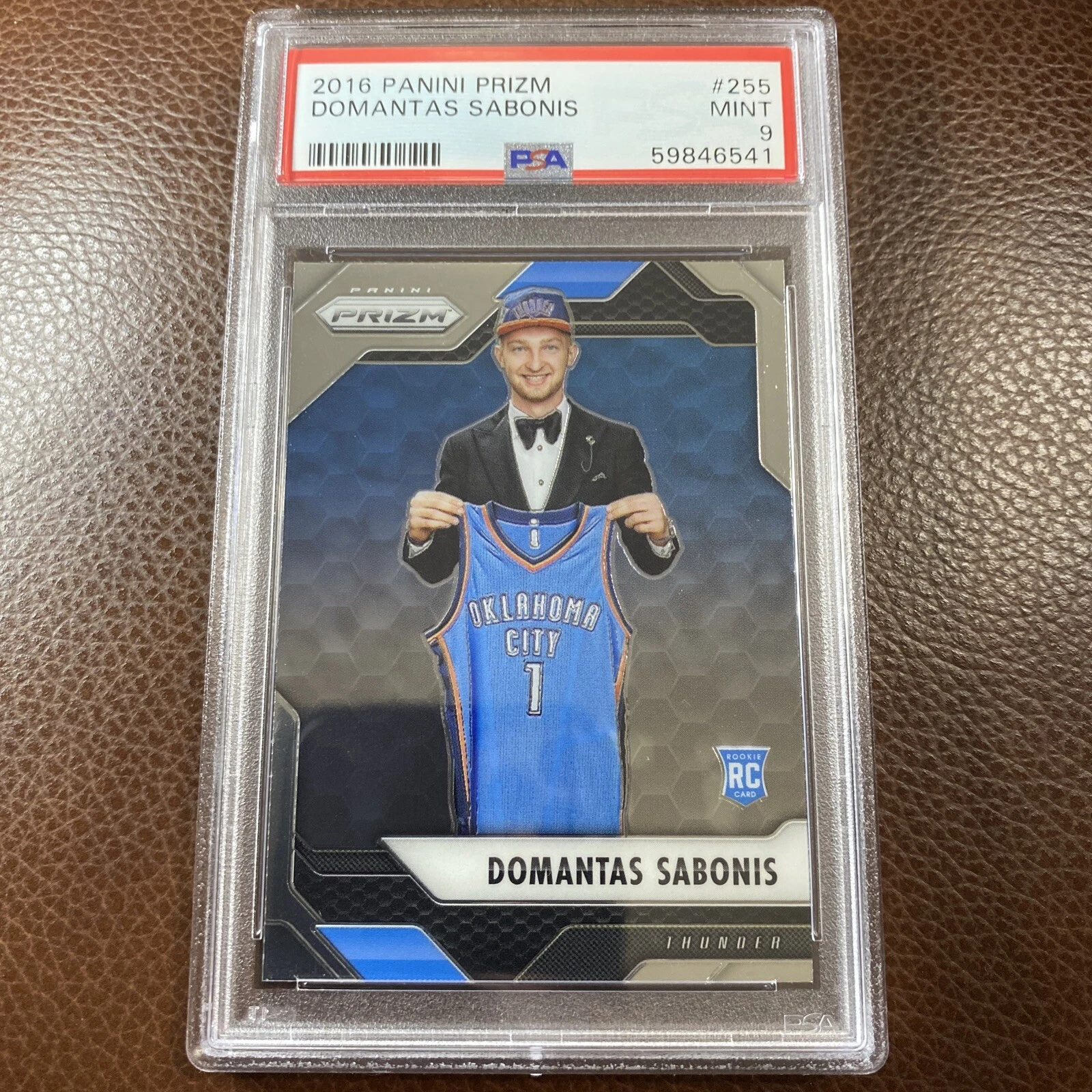
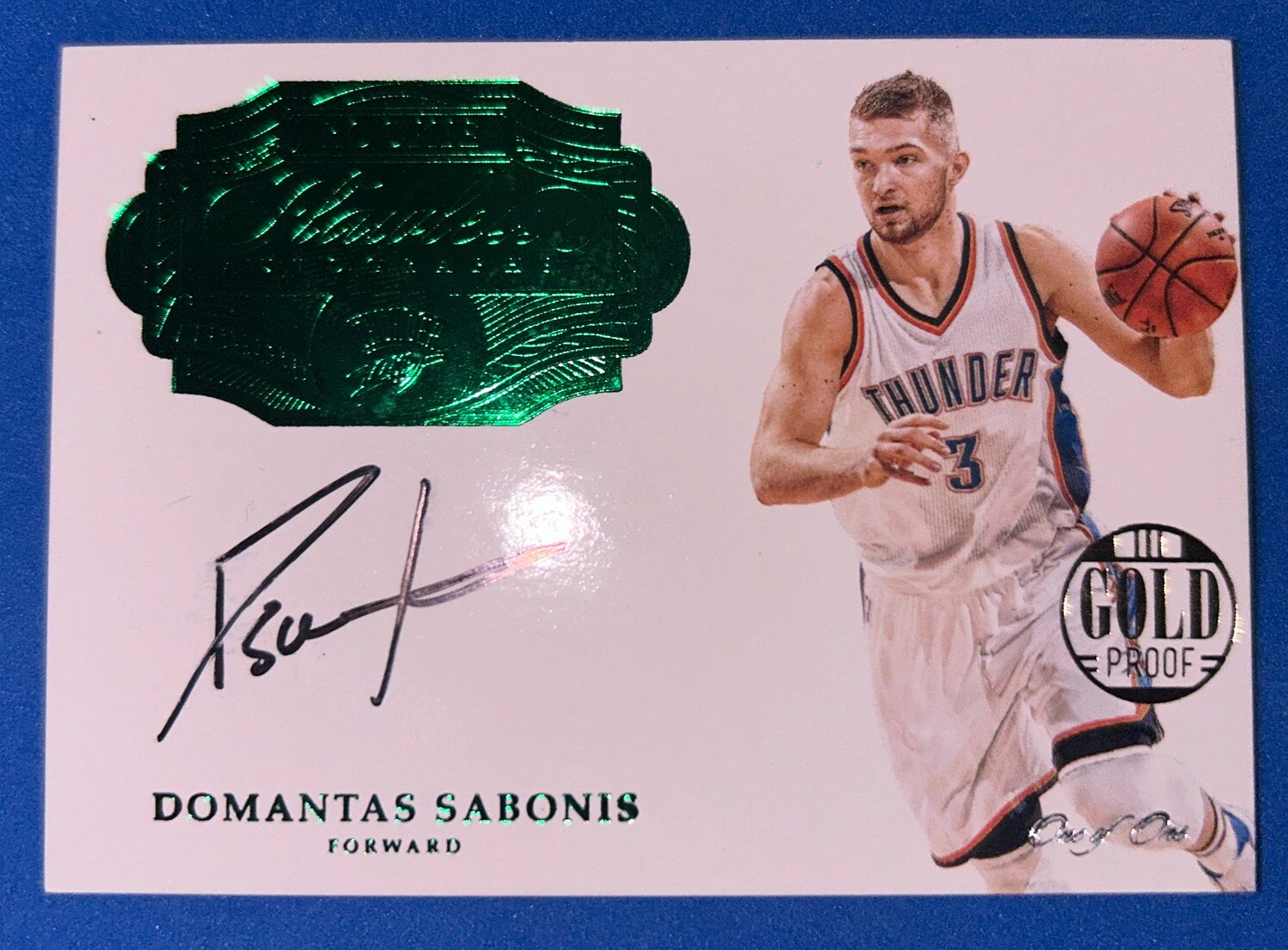
Our sports-card parallels guide explains colors, finishes and serial numbers. After the opening, the sold-comps guide helps you research a pull, and the Sabonis rookie-card guide shows how one player's cards can support several collecting styles.