The Workbench
How to Find What a Sports Card Is Worth: A Sold-Comps Guide
Identify the exact card, study comparable completed sales and account for condition and grade to build a useful current price range.
A useful card value starts with recent completed sales of the same card in comparable condition. Those transactions show what collectors have paid and give you a practical starting point for buying, selling or understanding a collection.
Build a current range by identifying the card, finding comparable sales and accounting for the differences. The process works for a familiar base rookie and adapts to a scarce parallel with only occasional sales.
Identify the card. Compare completed sales. Account for condition. Date your price range.
Decide which value you are trying to find
“What is it worth?” can describe several different numbers:
- Recent market price: what comparable copies have actually sold for in a particular market.
- Likely seller proceeds: the sale price after marketplace fees, promotion, payment costs, shipping, insurance, and other selling expenses.
- Dealer or cash offer: what a buyer can pay while accepting the time, cost, condition, authenticity, and resale risk.
- Replacement or insurance value: what it might cost to obtain a comparable replacement, which may require different documentation.
- Personal value: what the card means to its owner. That value can be real without being transferable to another buyer.
Choose the number that fits your decision. Comparing a dealer offer with likely net proceeds, for example, gives you a more useful picture than comparing it with a gross retail sale.
Step 1: identify the exact card
Record the card's year, manufacturer, set, player, card number, and parallel. That full identity is what turns a broad player search into useful price research. For modern sports cards, include these details as applicable:
- year and sport;
- manufacturer and full product name;
- player;
- card number;
- base set, insert set, or autograph subset;
- complete parallel or variation name;
- serial number or stated print run;
- autograph and memorabilia status;
- grading company, grade, and certification number;
- any qualifier, variation, error, or other designation printed on the label or card.
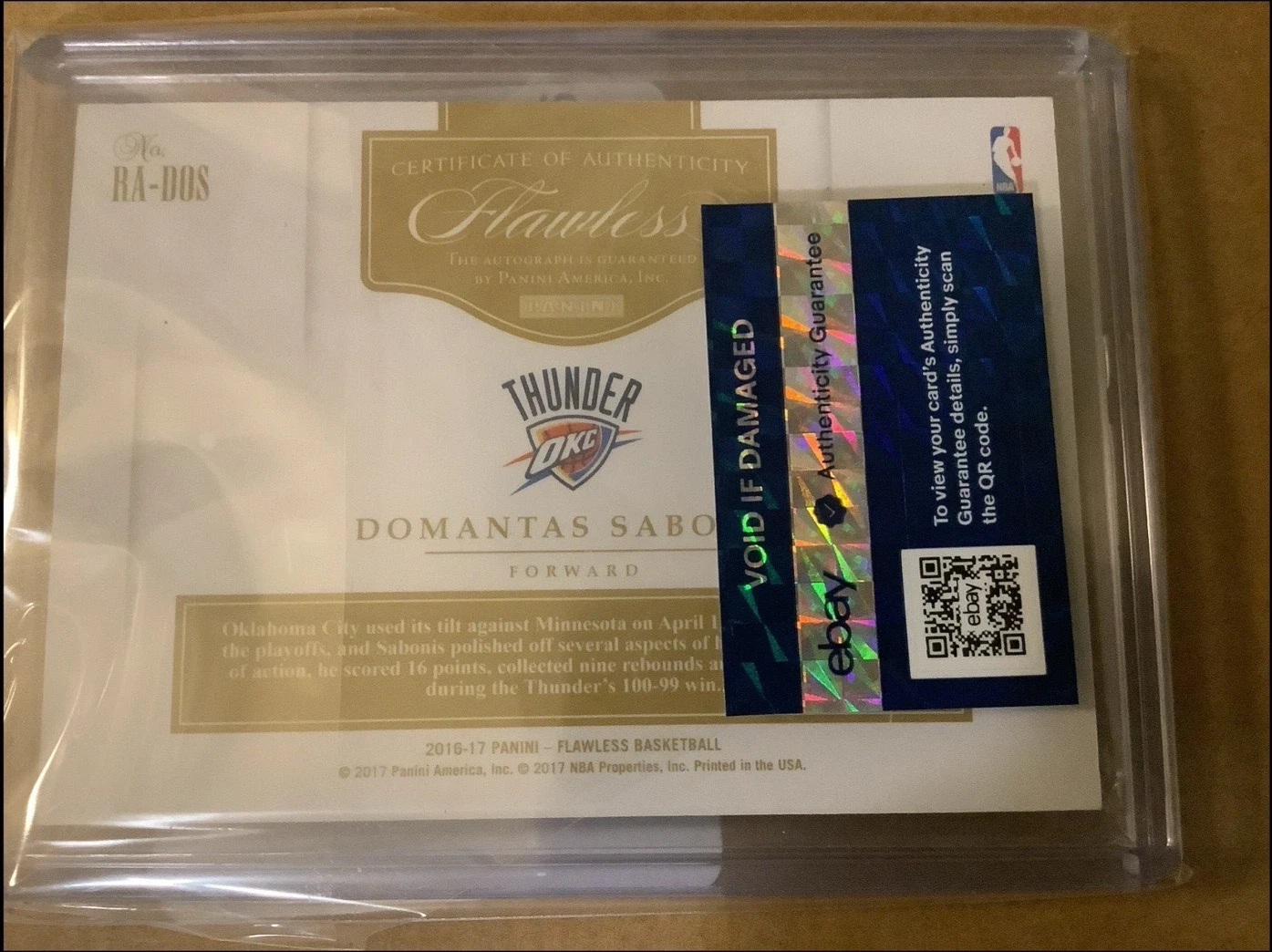
Use both sides of the card. The front may show the player and design, while the back may hold the card number, copyright year, set language, serial stamp, or memorabilia statement. Then compare those details with the manufacturer’s checklist or another dependable checklist. A card that looks like a familiar rookie can still belong to a different product, insert run, or parallel family, and those distinctions matter more than the player name alone.
If colors, foil names, serial numbering, or short-print language are causing confusion, start with our guide to sports-card parallels before searching for sales.
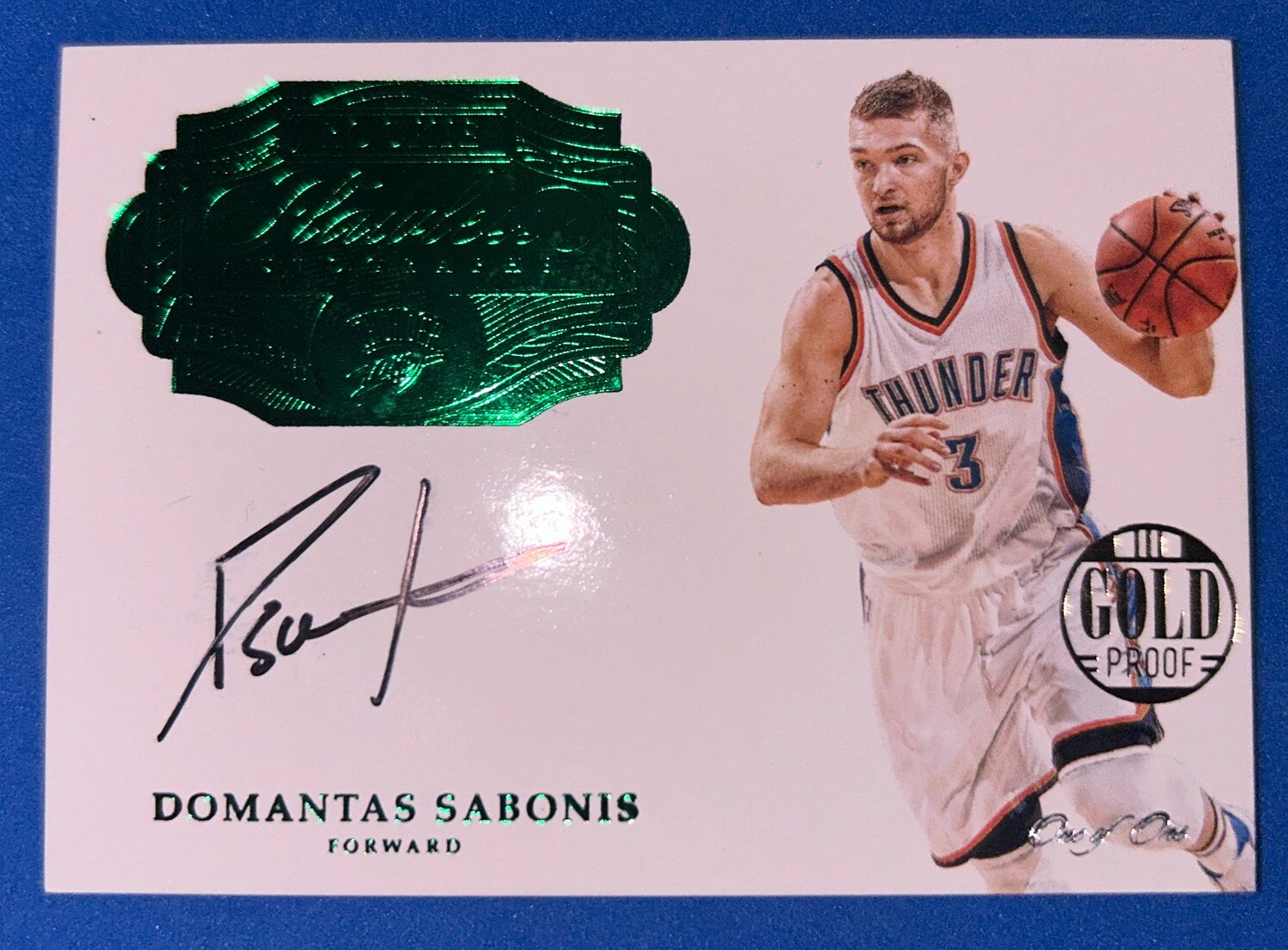
Hammy’s 2016–17 Panini Flawless Domantas Sabonis Rookie Auto Emerald Gold Proof 1/1 is a useful example. “Sabonis rookie” omits the product, autograph subset, named parallel, card number, and 1/1 serial numbering. Those missing details are precisely what separate it from the many other Sabonis rookie-year cards described in our Sabonis rookie-card guide.
Step 2: build a precise sold-search query
Build the first search from the identity you just established. A useful order is:
year + manufacturer + set + player + card number + parallel + gradeAdd terms such as auto, refractor, /25, or the subset name when they belong to the card. For a graded card, include both the grading company and grade. Exclude obvious mismatches such as lots, reprints, digital cards, or a different parallel when the search tool permits exclusions.
If the exact search comes up short, broaden it to find listings with less detailed titles. Open each result and check the photographs against your card.
Step 3: use completed sales, not active asking prices
An active listing shows what a seller hopes to receive. A completed sale shows what a buyer and seller agreed to in a particular place and time. Keep the two categories separate: an active copy can help you see what is available, but it does not reset the value range created by sales.
Use eBay's sold-price data to compare recent sales, price ranges, medians, and graded versus ungraded cards. eBay says its sports-card price guidance draws on two years of market data, updates daily, and incorporates accepted Best Offer prices. Product Research can extend the search window to three years and report the actual price on accepted Best Offers. An ended listing without a sale is not a comp.
For each comparable sale, record:
- sale date;
- item price and separately stated shipping;
- auction, fixed-price, or accepted-offer format;
- exact card identity;
- raw or graded condition;
- grading company and grade, when applicable;
- whether the listing sold one card or a lot;
- any visible damage, qualifier, autograph issue, or unusual feature.
Open each result to confirm the sale details and card photographs before adding it to your comparison.
Step 4: choose the closest comparables
Year, card number, parallel and condition help narrow a player search to the sales that best match your card.
The strongest comp matches all of these:
- exact year, manufacturer, product, set or subset, and card number;
- exact parallel or variation;
- the same autograph or memorabilia configuration;
- the same grading company and grade, or genuinely comparable raw condition;
- a recent sale in a market relevant to the value question;
- one card rather than a mixed lot.
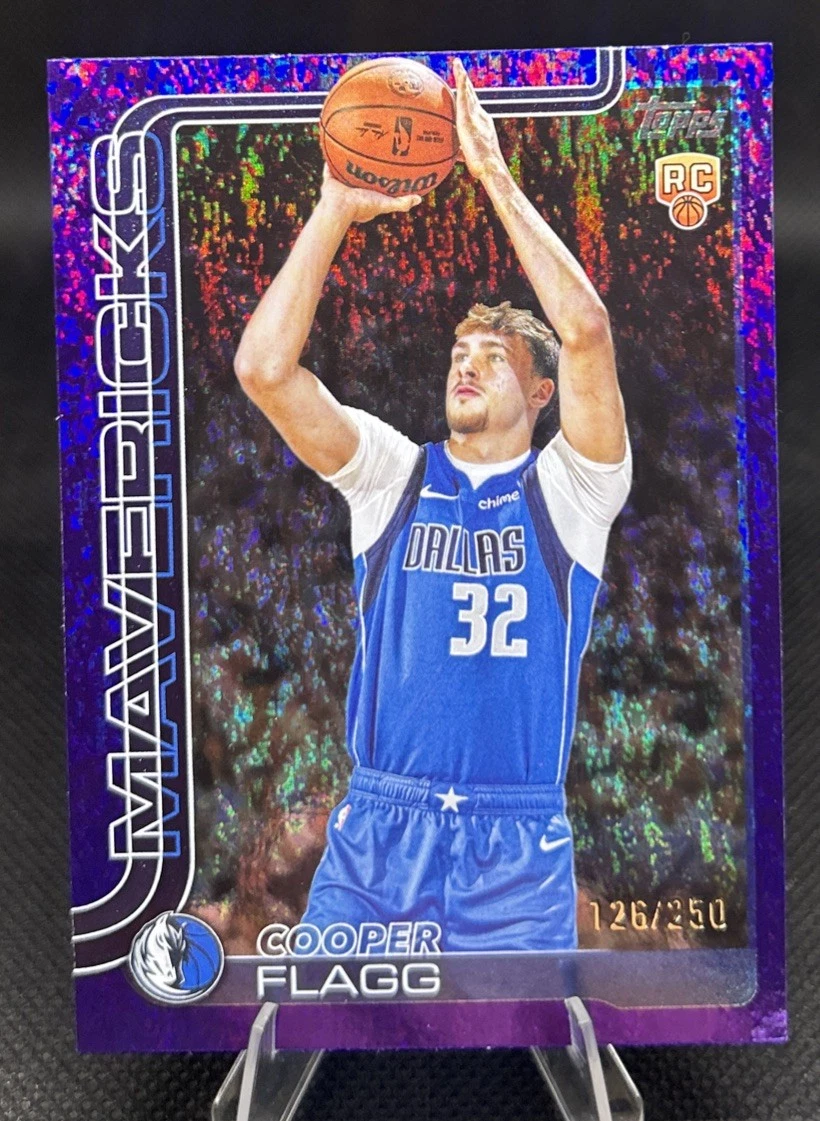
Copies of the same parallel can still draw different collector interest. Note a jersey-number match, first or last serial number, patch quality, autograph presentation, and color match when those details are visible and genuinely distinguish the card. They are part of the comparison, not automatic price multipliers.
Step 5: account for condition and grading
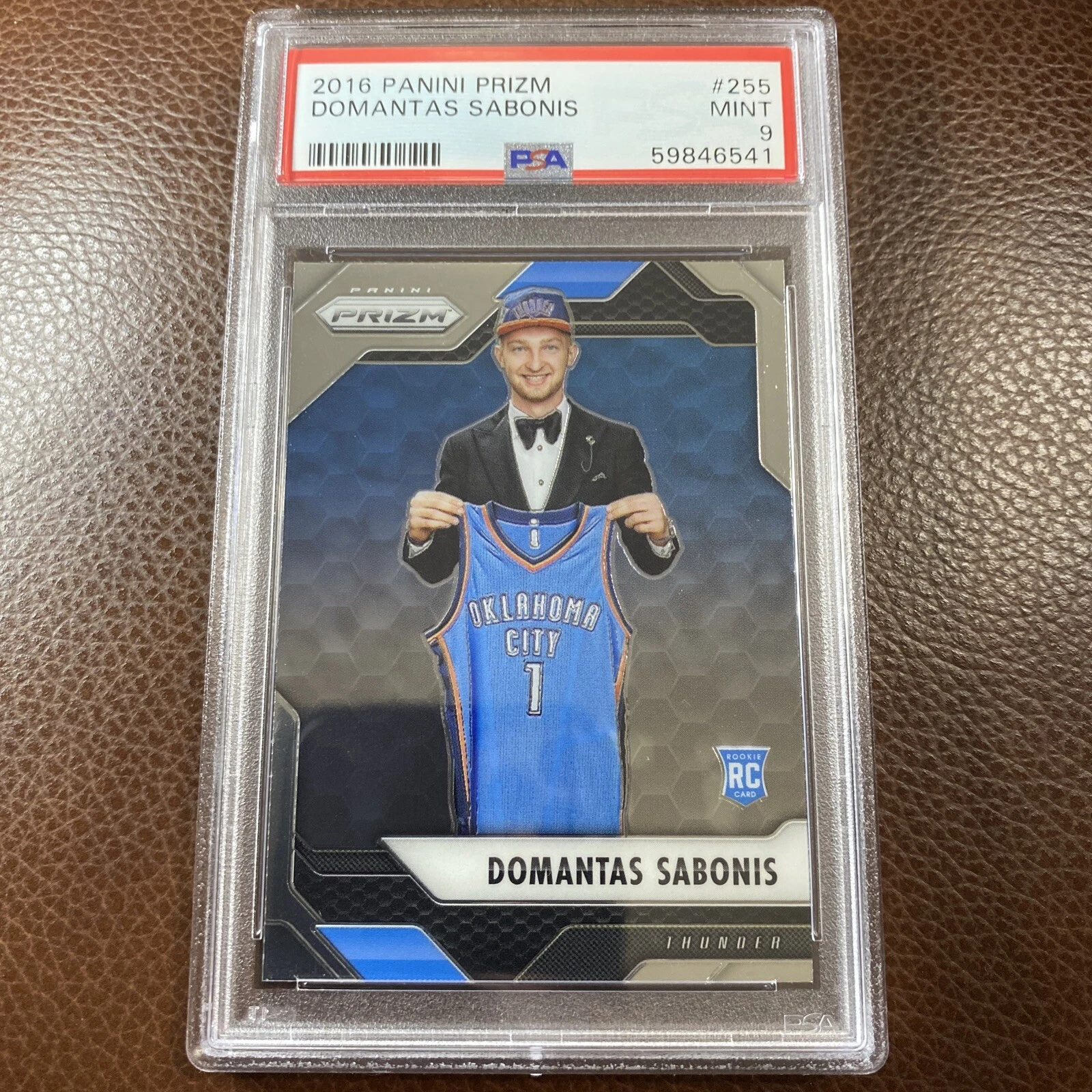
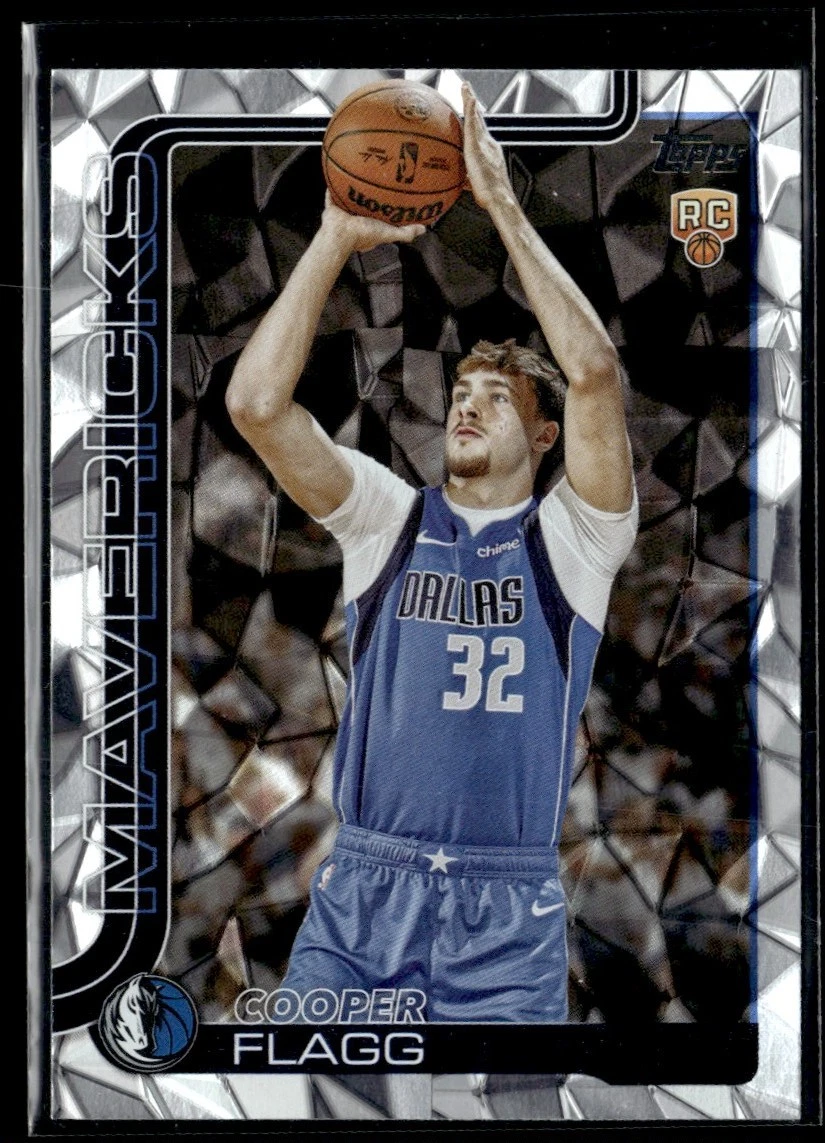
Condition can move two otherwise identical cards into different markets. PSA’s grading standards evaluate characteristics including centering, corners, surface, print quality, and overall eye appeal.
For a raw card, inspect the card itself under useful light when possible; when you are researching a listing, study clear front-and-back photographs and read the condition description. Look for:
- corner whitening, bends, or compression;
- edge chipping or rough cuts;
- scratches, print lines, dimples, dents, stains, or indentations;
- off-centering or registration problems;
- creases, trimming, recoloring, or other possible alteration;
- autograph fading, streaking, smearing, or damage;
- wear around a patch or memorabilia window.
Do not price a raw card as a guaranteed future gem-mint grade. PSA notes that grading considers details not always visible to the naked eye, and a fresh pull can still carry manufacturing defects. Treat a raw sale as a raw sale unless the card has actually been graded.
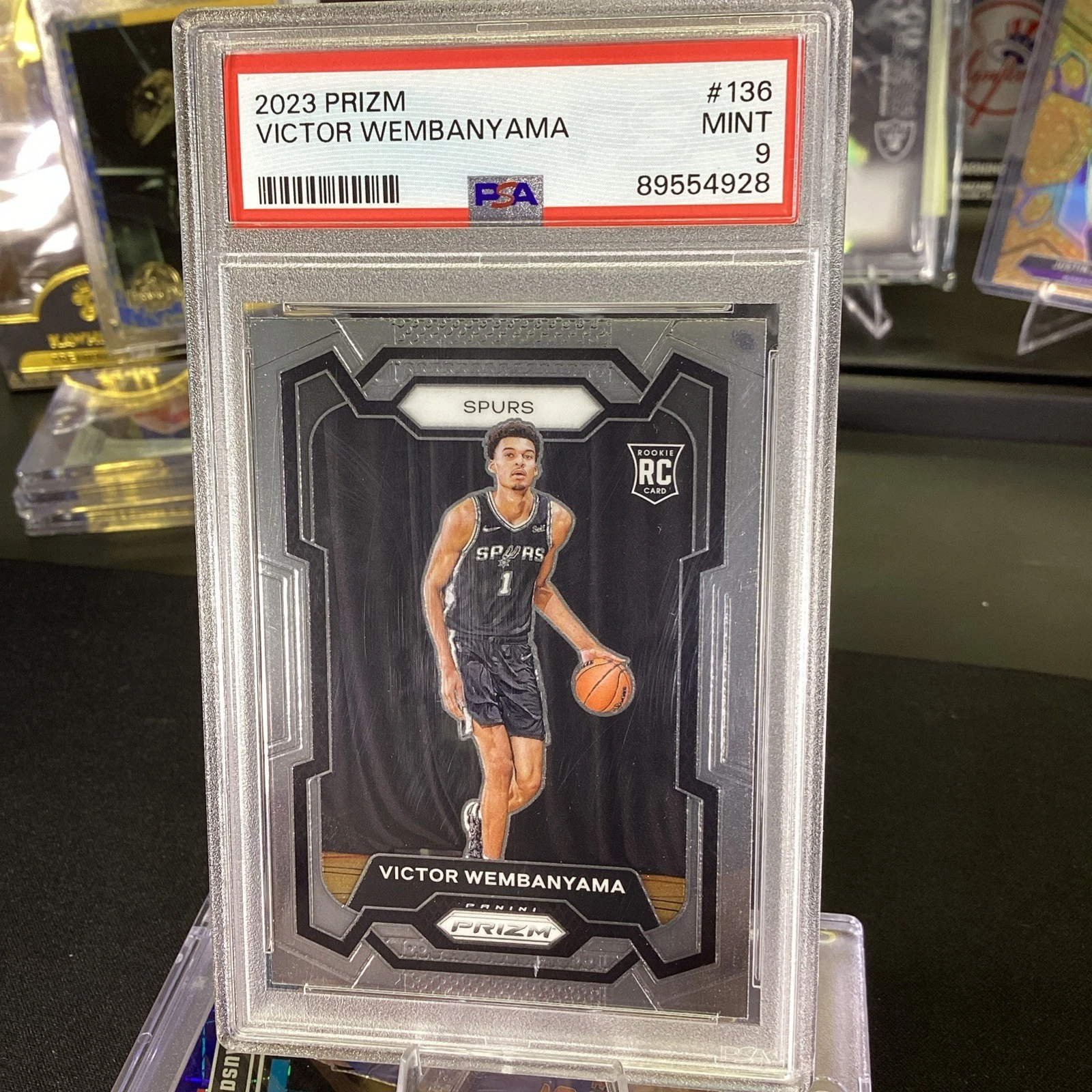
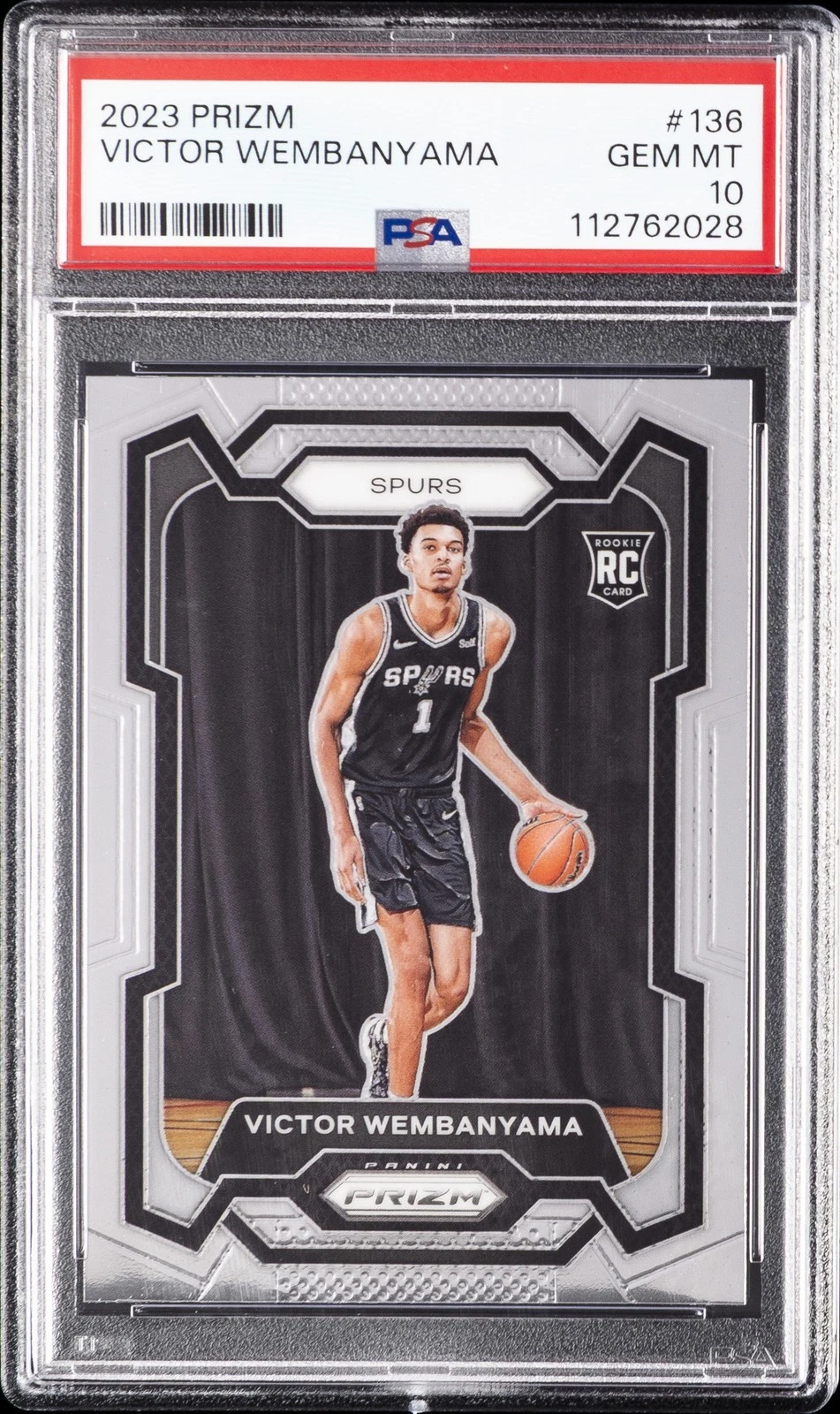
For a slabbed card, match the grading company, grade, qualifier, and label description. A PSA 10, for example, is a different collecting and pricing category from a PSA 9 or a raw copy. Centering, corners, surface, print quality, and overall eye appeal all contribute to the grade under PSA's published standards, so a label detail or qualifier belongs in the search query and the comp notes.
Step 6: turn the sales into a range
Once the mismatches are removed, look for the cluster formed by the most recent credible sales. A median or a tight middle range is usually more useful than the highest result.
Use this process:
- arrange the valid comps from newest to oldest;
- compare item price plus separately charged shipping, while leaving buyer-specific sales tax out of the card price;
- note whether each sale was an auction, fixed-price purchase, or accepted offer;
- remove damaged copies, lots, wrong parallels, and other mismatches;
- flag unusually high or low results instead of allowing one result to control the answer;
- give more weight to recent exact matches than to older or less similar sales;
- state the range and the date on which you calculated it.
For a hypothetical example, suppose three recent exact sales closed at $110, $118, and $125. A visibly damaged copy sold at $70, and another result reached $190. The $110–$125 cluster gives you a useful starting range for a comparable copy. Set the damaged card aside and investigate the $190 result for differences in the card, condition, or selling venue before using it to adjust the range.
What to do when there are no exact comps
Sales can be infrequent for scarce cards, especially one-of-ones. Related cards can provide useful context when there is no recent sale of the exact version.
Move outward one step at a time:
- the same card in a nearby serial-numbered parallel;
- the same subset and parallel for a player with reasonably comparable collector demand;
- the same player in a similar set, card type, and scarcity tier;
- comparable cards from the same product with similar checklist placement and construction.
Keep these related-card comparisons separate from exact comps. A /10 is not automatically worth five times a /50: demand, design, player interest, and each parallel's features also affect price.
For a one-of-one, look for a documented prior sale of that exact copy, then consider other one-of-ones with similar player demand, set position, and presentation. Explain the differences and allow a wider range when the comparisons are less direct. The current asking price can begin a conversation with the owner, but it is not evidence of what a buyer has paid.
Separate sale price from take-home value
Subtract marketplace fees, advertising charges, shipping, insurance, supplies, and other selling expenses from the sale price to estimate take-home proceeds. Use the current fee schedule for your chosen venue.
An immediate dealer or cash offer reflects the buyer's costs of holding and reselling the card, including condition and authentication checks, selling expenses, returns, and time to find a buyer. Compare the offer with the proceeds, work, and wait involved in selling it yourself.
Hammy's Buy List shows the cards and products we're interested in buying. Offers depend on the exact item, authenticity, condition, quantity, and recent sales.
Common valuation mistakes
- treating an active listing as a completed sale;
- comparing a base card with a numbered parallel;
- comparing raw cards with graded cards as though condition were equal;
- ignoring the grading company, grade, qualifier, or certification details;
- using a lot price as the price of its best card;
- relying on a stale sale while ignoring more recent evidence;
- choosing only the highest comp;
- ignoring shipping or an accepted Best Offer;
- assuming lower serial numbering creates a fixed price multiplier;
- quoting a precise value when the available evidence supports only a wide range.
A practical valuation checklist
- Photograph the front and back clearly.
- Record the full identity, including card number, parallel, and serial number.
- Record the grader, grade, and certification number when applicable.
- Search the exact identity in sold results.
- Open each comparable result and check the photographs.
- Record the date, actual sold price, shipping, format, and condition.
- Remove lots, wrong parallels, wrong grades, and damaged outliers.
- Use the recent middle cluster to form a range.
- Subtract current selling costs if you need likely net proceeds.
- Save the sale links and date your price range.
The eBay Price Guide can help you find a starting range. Check that its sales match the card and grade, then account for condition, timing, and demand.
What to send Hammy for a review
If your card or collection fits what Hammy is buying, a useful submission includes:
- clear, uncropped front-and-back photographs;
- close views of corners, edges, surface issues, and serial numbering;
- the year, set, player, card number, and parallel if known;
- slab labels and certification numbers;
- a clear condition description, including any known damage, alterations, or authenticity concerns;
- the quantity of cards or sealed products involved;
- relevant recent sold evidence, if you already researched it.
Send the details through Sell to Hammy. We'll review the submission and confirm the card's condition in hand before finalizing a purchase.
Frequently asked questions
Is an active eBay listing a comp?
It can show a seller’s current expectation, but it does not show that a buyer agreed to the price. Use completed sales as market evidence and keep active asking prices in a separate category.
How many sold comps do I need?
Several recent exact sales give you a stronger range than one, though a single exact sale is still useful. If you need to compare related cards, explain the differences and allow a wider range.
Should I use a price guide?
A price guide can help identify a starting range or reveal sales you missed. eBay's Price Guide is built from completed eBay sales, supports raw and graded cards, and can show median sold prices, historical sales, and grade comparisons. Confirm that it matched the exact card, parallel, grading company, and grade before relying on the result.
How do you research the value of a one-of-one?
Start with any documented sale of that exact card. If none is available, study related cards from the same player and set, noting differences in autograph, memorabilia, condition and presentation. A one-of-one’s asking price tells you what the owner will consider; negotiations and completed sales establish what buyers will pay.
Is a dealer offer the same as market value?
No. A dealer offer pays you for the card now; a retail sale requires finding a buyer and covering selling costs. Compare the offer with likely net proceeds and the time and work involved.
Sources and tools
- eBay: Pricing your items and sports-card price guidance
- eBay: Product Research and accepted-offer sales data
- eBay: Sports-card Price Guide methodology
- PSA: Getting started with card identification and grading
- PSA: Trading-card grading standards
Put your research to work
Keep a short record of the card's identity, the sales you used, your condition notes, and the date of your price range. That gives you a useful reference when an offer arrives or the next comparable copy sells.