The Workbench
Bam Adebayo Rookie Cards: A Collector’s Guide to the 2017–18 Class
Learn how to identify and compare Bam Adebayo’s 2017–18 rookie cards, from accessible base issues to numbered parallels, autographs, patches, and Hammy’s Opulence Emerald /5.
Bam Adebayo’s 2017–18 cards reward a collector who enjoys building with intention. Miami selected Adebayo 14th overall in the 2017 NBA Draft, placing his NBA rookie cards in the deep 2017–18 basketball class. His cards give a collection several satisfying directions: a familiar chromium rookie, a parallel with a distinct finish, a signature-and-memorabilia piece, or a scarce luxury issue that makes the player and product feel inseparable.
The useful question is not simply which Bam rookie is hardest to find. It is which version tells the story you want on the page: the clean rookie image, the appeal of a named parallel, the presence of an autograph, or the character of a premium release.
Start with Adebayo’s rookie-year identity
Adebayo was selected by Miami in the first round of the 2017 draft after one season at Kentucky. His official NBA biography records both the 14th-overall selection and his subsequent Miami career, which has included multiple All-Star selections and All-Defensive recognition. That combination gives the 2017–18 class real collecting weight: these are the cards from the beginning of a career that became central to the Heat.
For an NBA rookie-card collection, begin with the 2017–18 season printed on the card or product. The season label matters more than a product’s calendar release month. Panini’s first Opulence Basketball release, for example, arrived in September 2018 but carries the 2017–18 product year. It still belongs with Adebayo’s rookie-season issues.
College-uniform cards and later tribute cards can be enjoyable additions, but log them separately. A clean checklist distinguishes an NBA rookie from a college card, a later insert, or a reprint-style release that happens to use a rookie-season image.
Choose the kind of rookie you want to own
There is room for more than one answer in a Bam collection. The important part is keeping each card’s identity clear before comparing it with another listing.
| Collecting lane | What to look for | Why it works |
|---|---|---|
| Base rookie | The standard card from a rookie-year set | A straightforward design anchor and an easy way to recognize the player within the class. |
| Parallel | The same card number with a named finish or color treatment | Adds a visual preference and, when stated on the card, a defined serial-numbered run. |
| Autograph | A manufacturer-issued signed subset | Puts the signature at the center of the card rather than treating it as a detail. |
| Memorabilia or patch autograph | A card with a material window and the manufacturer’s reverse-side statement | A thicker, display-forward choice for collectors who want the card’s construction to matter. |
| Luxury rookie | A card from a premium release | Suits a focused player collection that values design, stock, numbering, and set identity. |
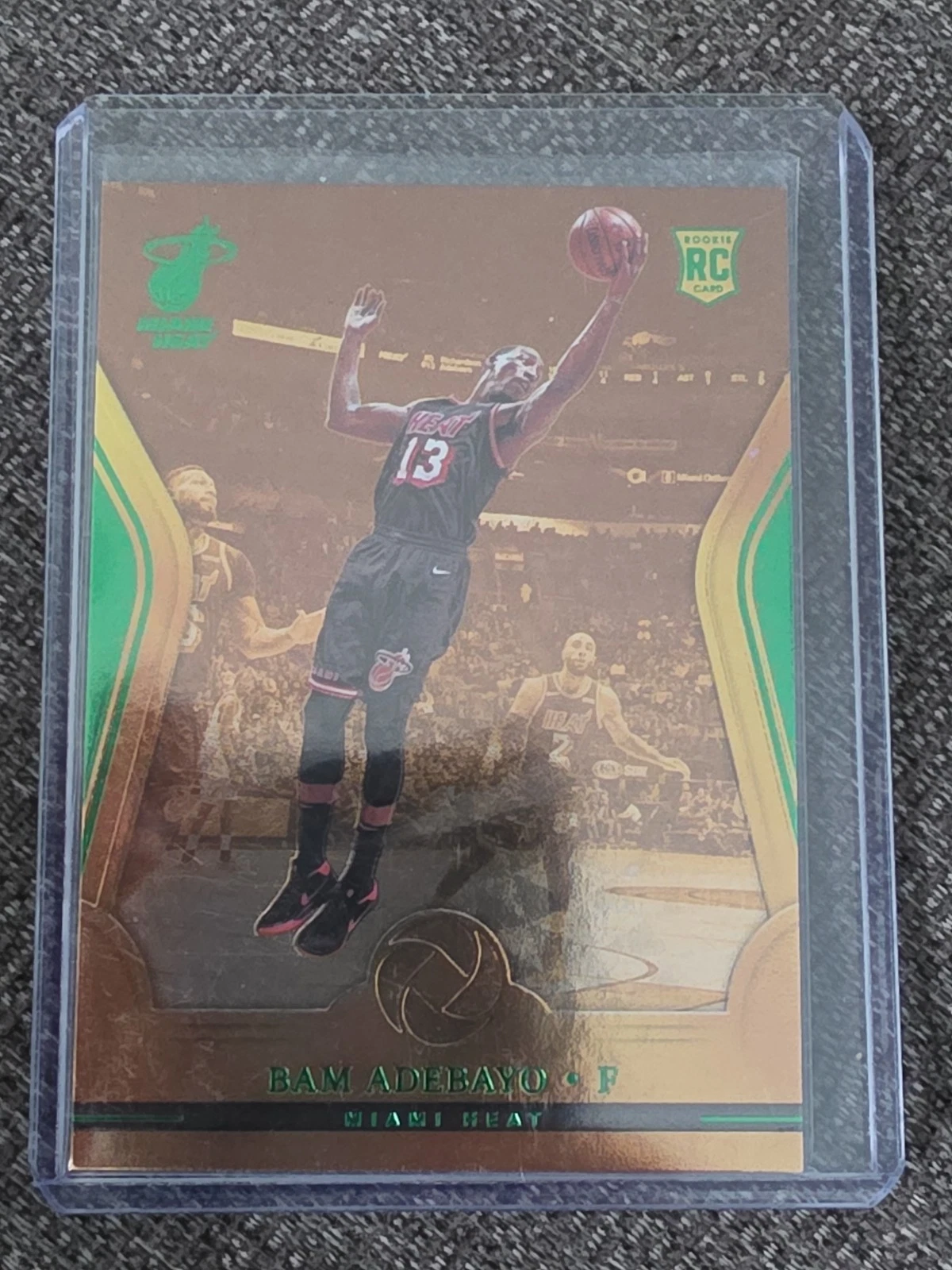
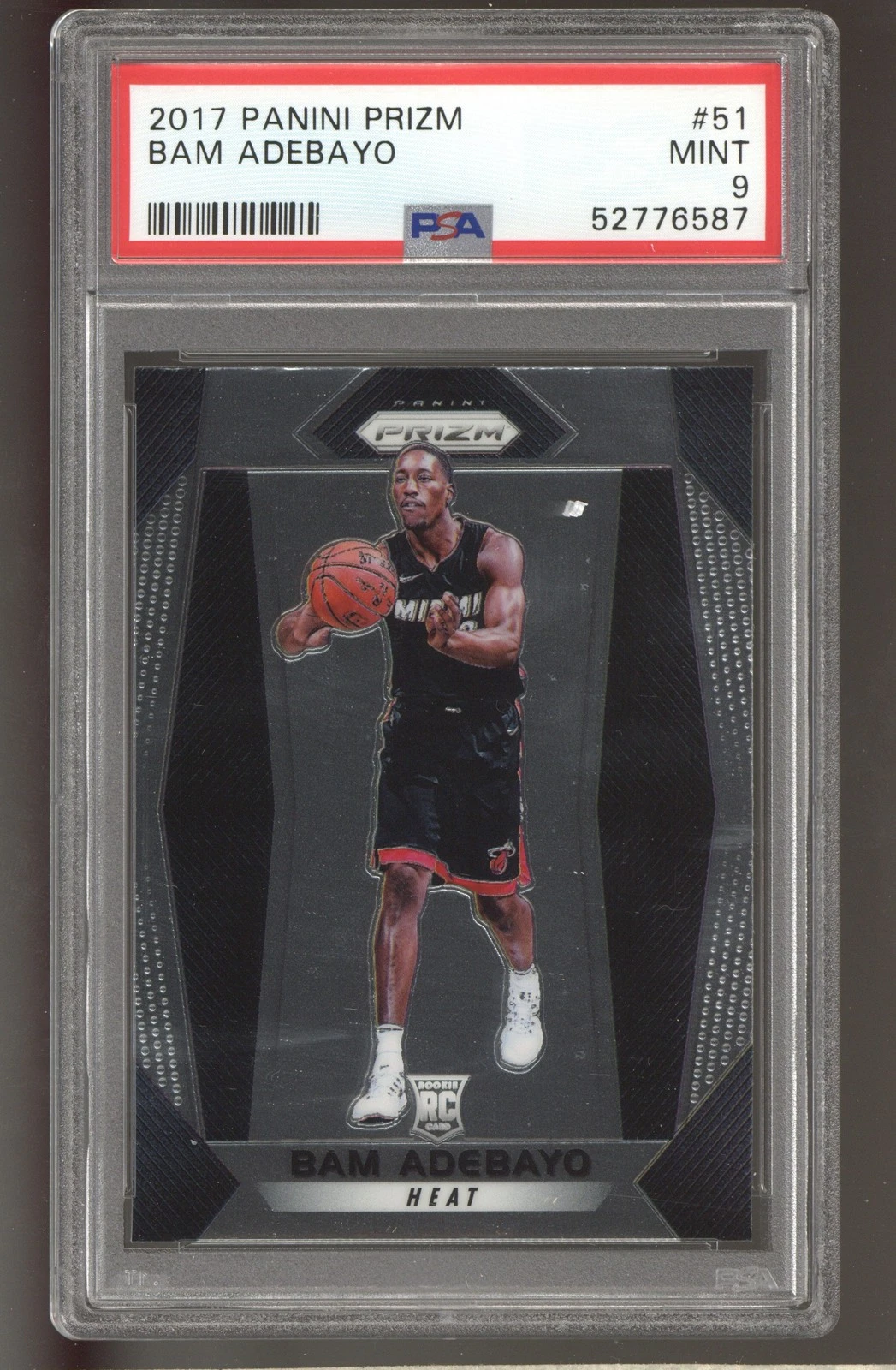
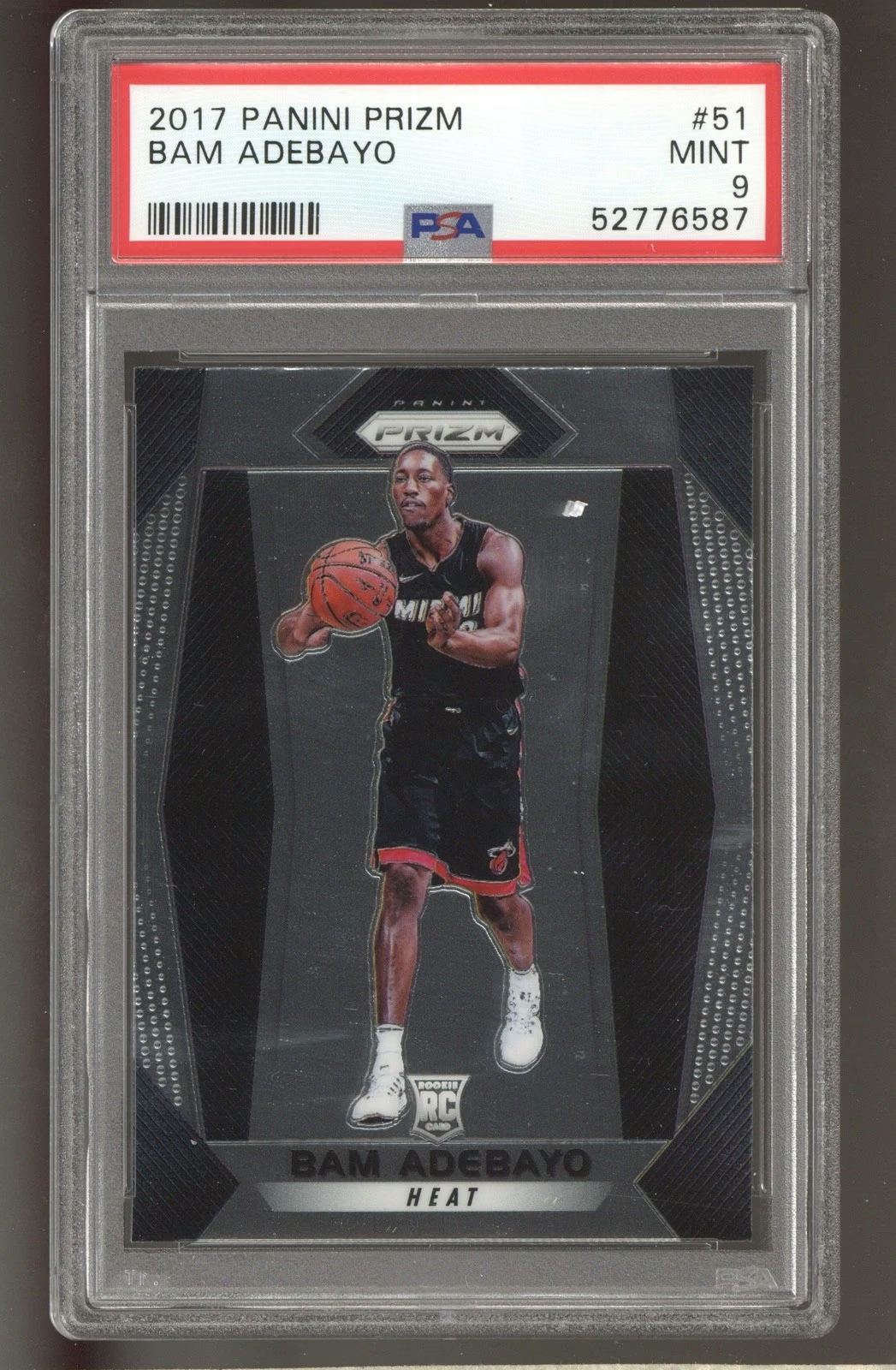
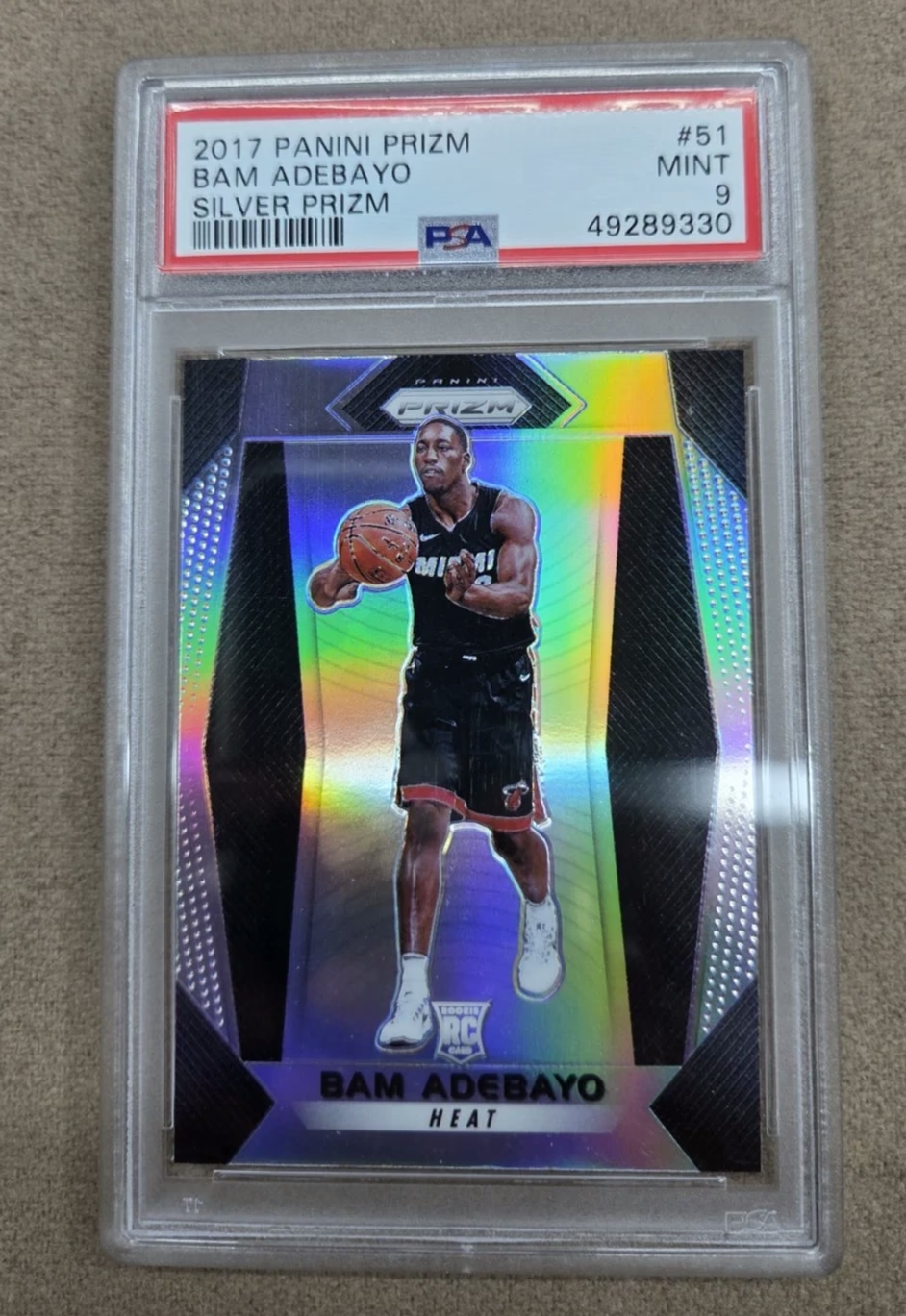
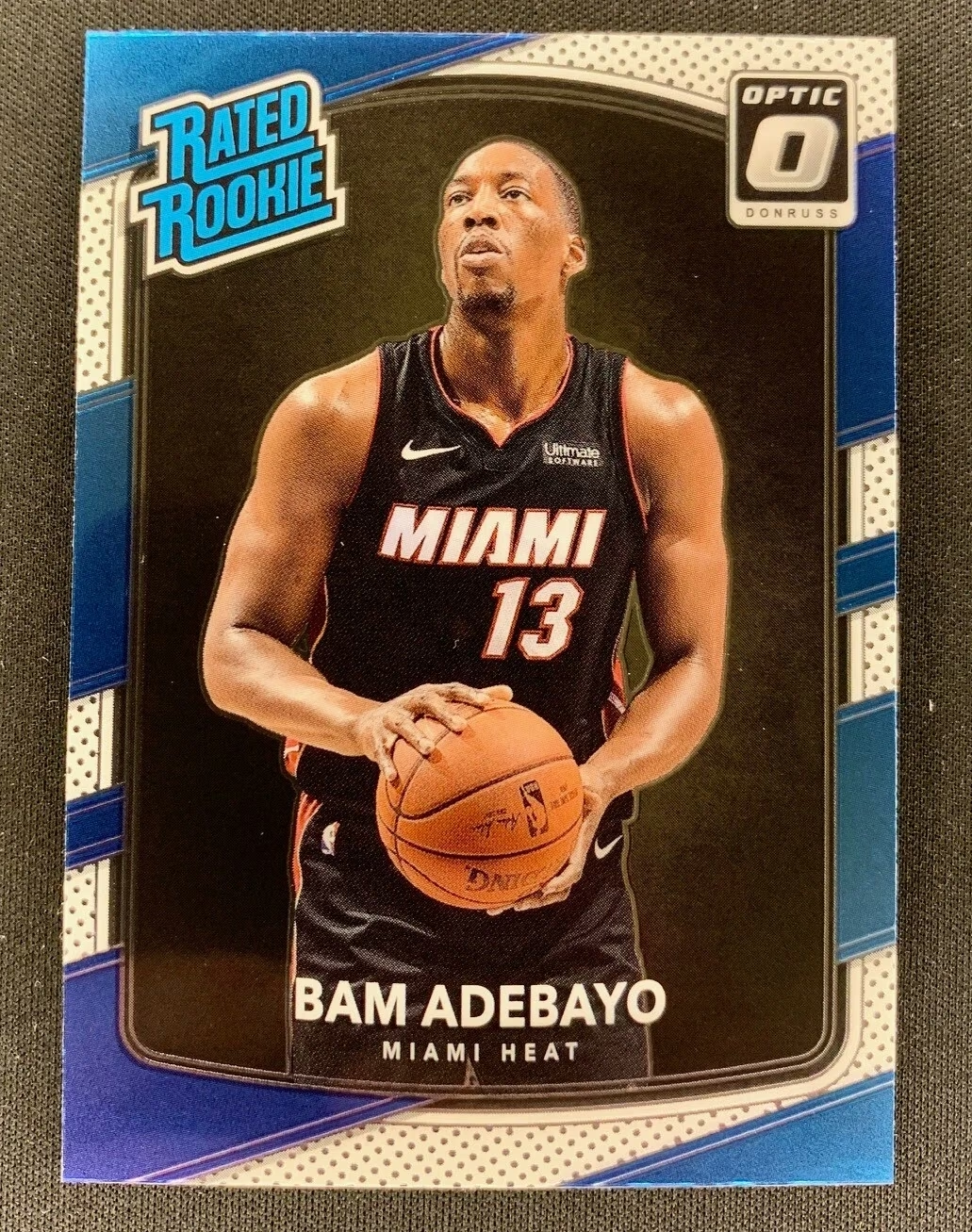
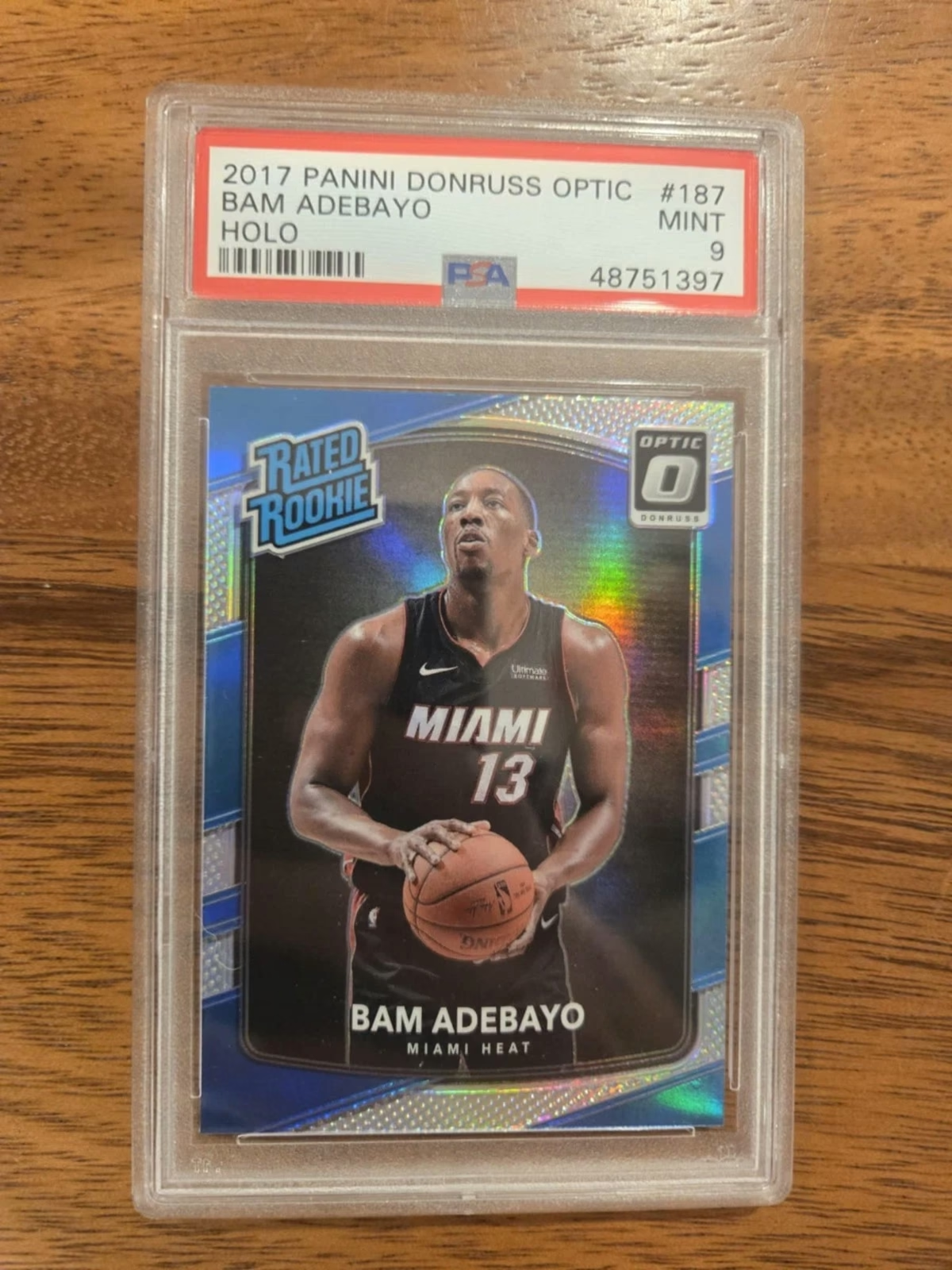
The photographs below are useful visual checkpoints. They show why it pays to read the whole label and card front: a base rookie, a named parallel, an autograph card, and a luxury issue can share the same player and season while being entirely different collecting choices. Before buying, match the product name, card number, subset, parallel name, serial stamp, and holder label to the exact version you mean to add.
2017–18 Panini Prizm
2017–18 Donruss Optic
National Treasures is the premium autograph-and-memorabilia lane
2017–18 Panini National Treasures is built for the collector who wants a rookie card to feel substantial. The product’s hobby configuration was one 10-card pack per box. Each box included at least eight autograph or memorabilia cards; the remaining two cards consisted of a base card or parallel and either another autograph, memorabilia card, or printing plate. That is a much different proposition from choosing a standard rookie out of a broad base set.
National Treasures is particularly associated with Rookie Patch Autographs. In this product, a patch autograph is not merely a scarcer color of a base card: it combines a signature and a memorabilia element, so the visual center and collecting appeal are different from an unsigned parallel. The product also included other autograph-and-memorabilia formats, which is why the complete subset name matters.
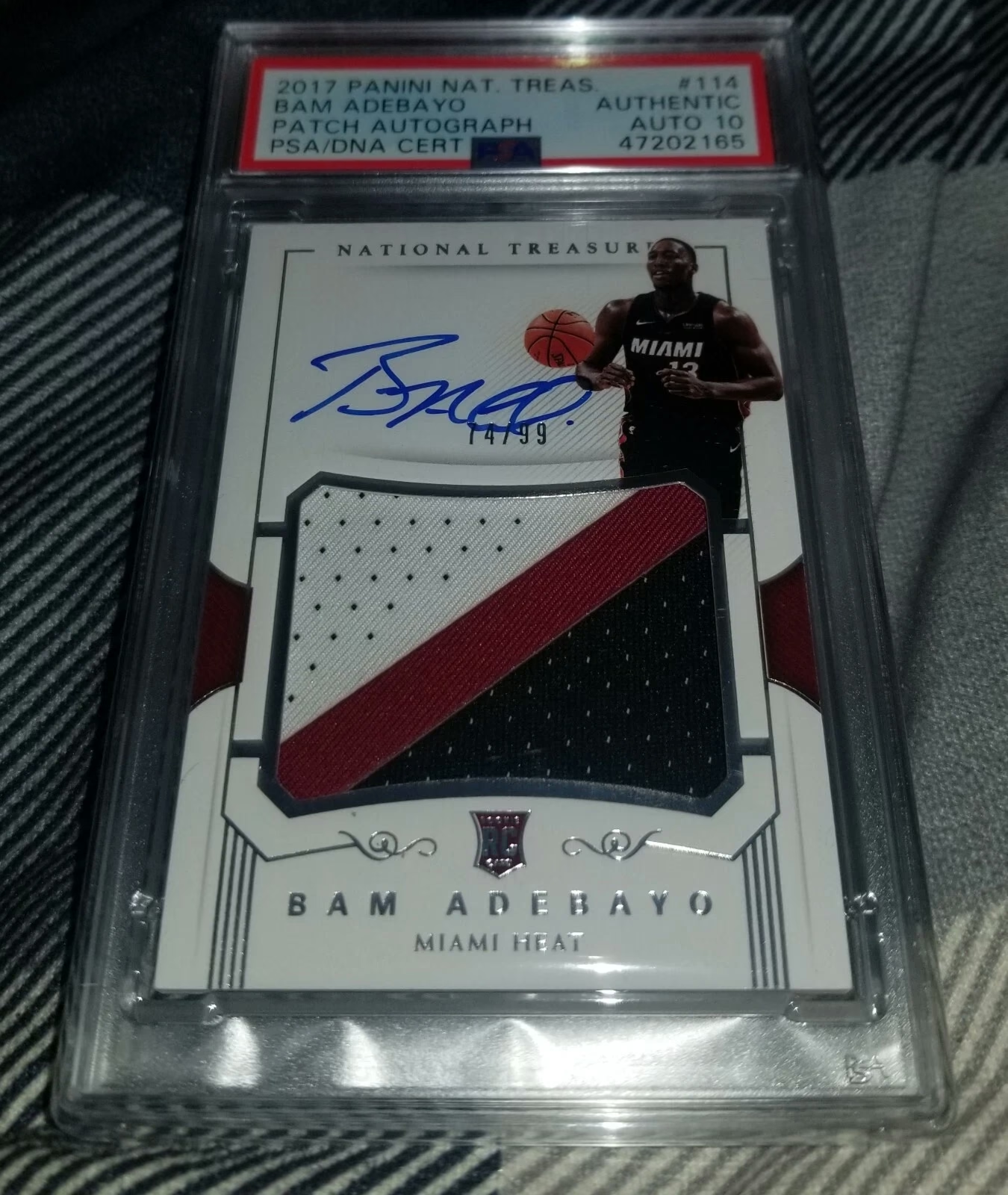
For a card with memorabilia, turn it over. The manufacturer’s statement on the back is the right place to understand what the material is described as. For an autograph, confirm that the listing identifies the signed card’s precise subset and that the card in the photographs matches it. Those two checks keep a collector from treating every thick, signed National Treasures card as the same card.
Opulence gives the rookie year a distinct luxury setting
Opulence debuted as a new Panini Basketball line in 2017–18. Panini described the inaugural product as drawing inspiration from Gold Standard and Preferred. Its 10-card boxes averaged seven autograph or memorabilia cards, two base cards, and one parallel numbered to 25 or less; every base card was numbered to 79. That already-limited base treatment is part of what makes the release feel so different from an ordinary rookie-card hunt.
For an Adebayo collector, Opulence is compelling because it joins his rookie season to a first-year luxury design. The base-card format, metallic presentation, and short-numbered parallels make the card worth considering on design as well as scarcity. A card does not need an autograph to be a satisfying centerpiece when the product itself gives the rookie card a strong visual identity.
Hammy’s example is the 2017–18 Panini Opulence Bam Adebayo #95 Emerald, serial-numbered 2/5. It is an unsigned base-set parallel, so its appeal is specific: a first-year Opulence rookie, an Emerald finish, and one individually stamped copy from a five-card run.
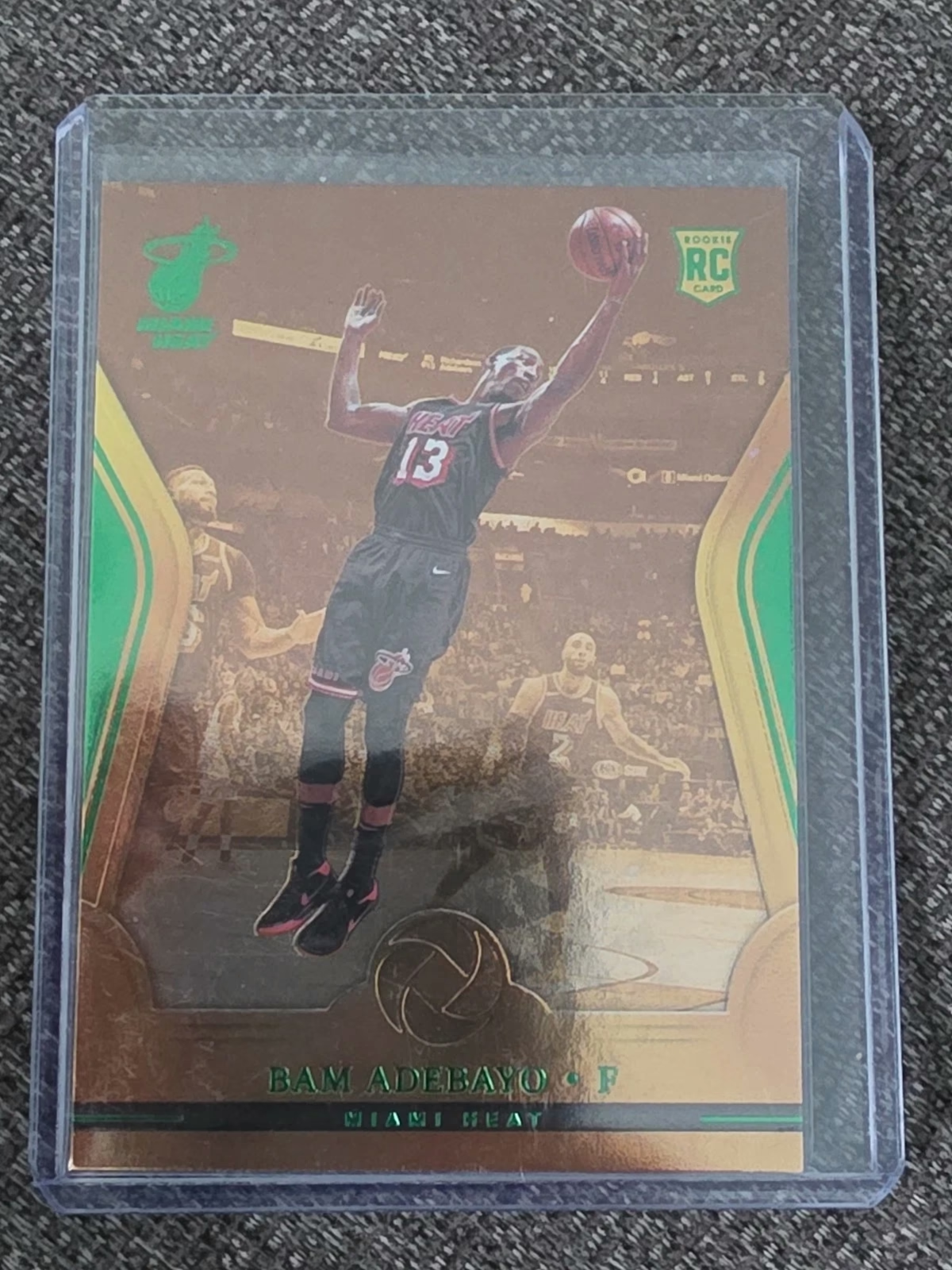
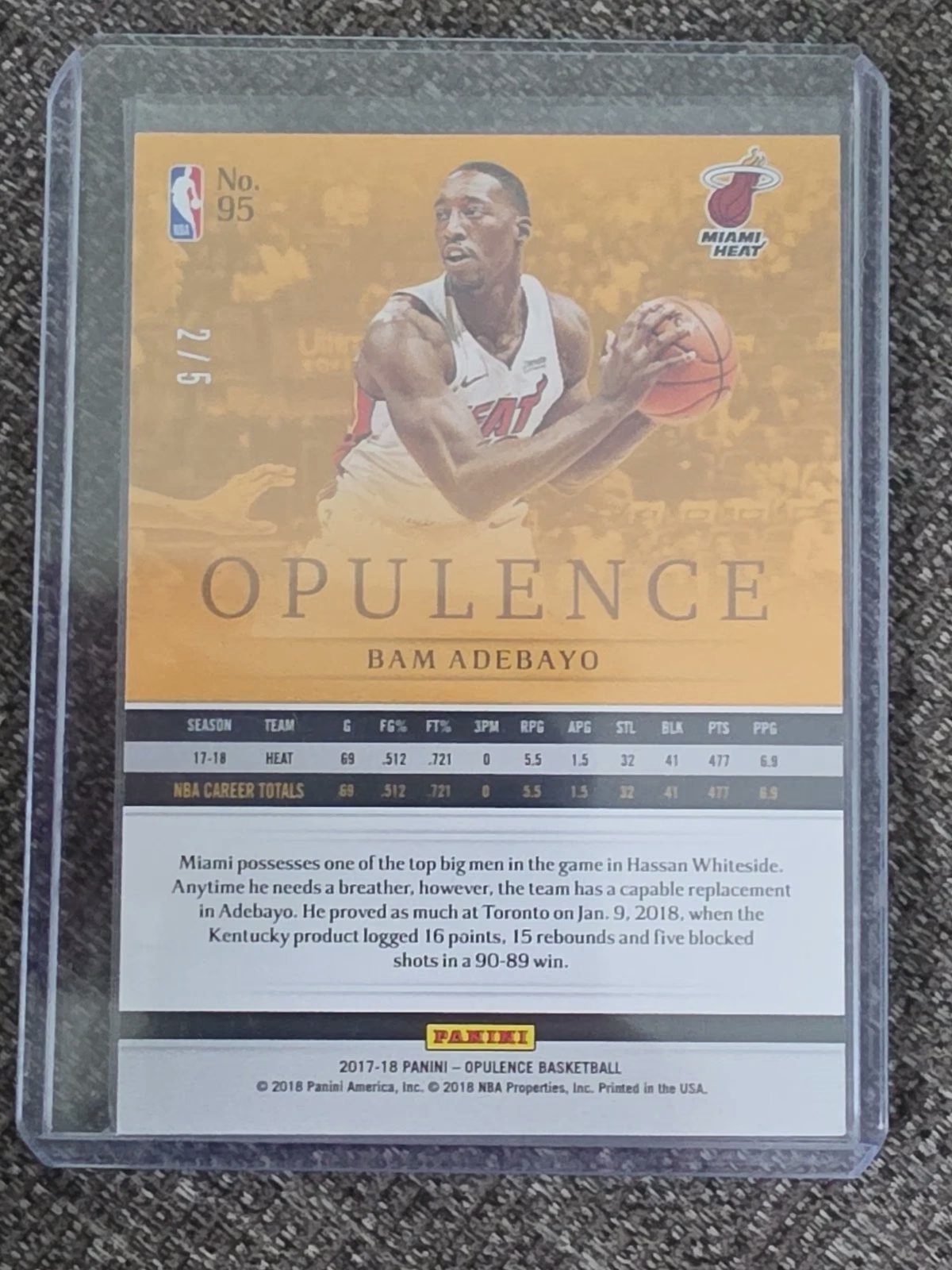
The 2/5 stamp means this is copy number two within that Emerald run; it is not a one-of-one. When you compare another Opulence card, read the parallel name and serial denominator rather than assuming that a similar green, gold, or silver appearance means the same version. Our sports-card parallels guide explains how serial numbers and parallel families fit together.
Inspect the exact card, then compare like with like
Card photos should help settle the details, not replace them. For a raw card, ask for clear front-and-back images under neutral light. Check corners, edges, surfaces, foil, and the area around a serial stamp. A thicker memorabilia card needs a holder made for its stock; forcing it into a standard holder risks the very edges a collector wants to preserve.
For a graded card, compare the certification lookup with the label and card in hand. The year, product, card number, parallel, and any qualifier should line up. A population report can be useful context for cards recorded by one grader, but it does not change a manufacturer-stated serial run or count raw copies elsewhere.
When considering price, start with completed sales of the exact card and exact parallel in comparable condition. If those are scarce, move outward carefully: same-card nearby parallels, then other rookie-year cards with clearly different features. A National Treasures patch autograph, an Opulence Emerald, and a standard base rookie can all be good cards to own, but they are not interchangeable comparisons. An asking price is an invitation to buy, not evidence of a completed market result. Hammy’s sold-comps guide explains how to build a useful comparison set.
Keep a simple checklist for every Bam card: season, manufacturer, complete product name, card number, subset, parallel, serial number, autograph or memorabilia status, raw or graded status, and purchase record. It makes near-duplicates much easier to spot and lets the collection grow around choices you have actually made.
Hammy’s Bam Adebayo rookie
Hammy’s 2017–18 Panini Opulence Bam Adebayo #95 Emerald rookie 2/5 is a focused choice for a collector drawn to Adebayo’s rookie season and Opulence’s first-year look. The product page shows the exact raw card and its current condition notes. For more of the set and design story, read the Opulence Emerald feature.
Frequently asked questions
Is Panini Opulence #95 a Bam Adebayo rookie card?
Yes. It is a 2017–18 Opulence card from Adebayo’s NBA rookie season. Include the card number, parallel name, and serial stamp when searching for a particular copy.
Is the 2/5 copy a one-of-one?
No. It is one individually numbered card in a five-card Emerald run.
Is Hammy’s card an RPA?
No. Hammy’s #95 Emerald is an unsigned base-set parallel and does not contain memorabilia.
What should I verify before buying a graded Bam rookie?
Match the certification record, holder label, card number, product, and parallel to the photographed card. That confirms that the grade applies to the exact card offered.
Sources
Shop this guide on eBay
Hammy earns from qualifying purchases through these eBay links. Buy on eBay from the seller shown in each listing.
Explore on eBay
Targeted searches for the cards and releases Hammy covers. Search results may include other formats or variants; match the listing to the card or box you want.
eBay search · Single card
2017-18 Bam Adebayo
Search on eBayeBay search · Single card
2017–18 Opulence Bam Adebayo #95 Emerald /5
Search on eBay